


Alora - Meet & Dating
4.4157.00 Reviews
App Specs
- Version
- 1.1.7
- Updated On
- License
- Free
- Downloads
- 50,000+
- Developer
- UG-BODA
- Categories
- Social
- Platform
- Android
Screenshots
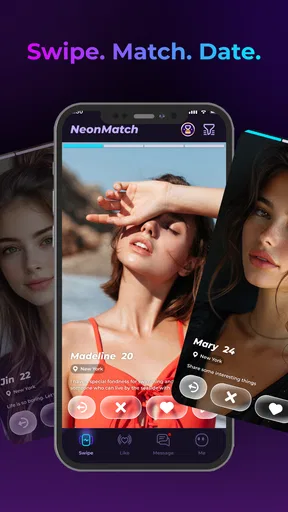
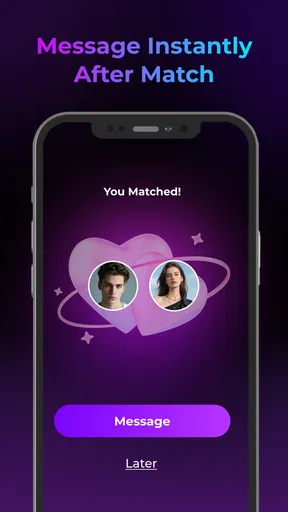
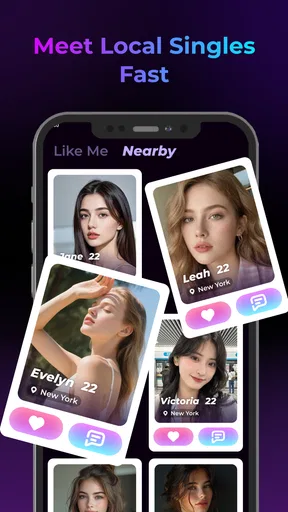
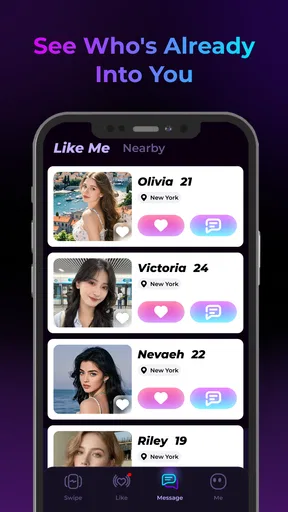

 Analysis by AppCompare
I approached Alora - Meet & Dating as a social app for people who want to meet others through conversation and shared plans rather than simply scroll through profiles. My first impression was that its appeal depends less on having endless choices and more on whether the people it brings together feel genuine. That makes it interesting for anyone looking for new friendships, casual social contact, or dating conversations in one place, but it also means the quality of the experience can change noticeably from one user to another.
The app is free to install, which makes trying it relatively easy, although optional purchases range from $4.99 to $139.99 per item. It is intended for mature users aged 17 and above, and that matters here: this is not a general-purpose chat room for children or a lightweight messaging tool. I would treat it as a serious social environment and use the same caution I would bring to any service that connects me with strangers.
How Alora feels in everyday use
The central idea is straightforward: discover people, start a conversation, and see whether a real connection develops. The store summary points toward smart matching, safer chats, and authentic connections, but I found the important part is how deliberately I use those tools. A match is only a starting point. The app cannot replace the judgment involved in deciding whether someone is respectful, consistent, and worth meeting.
That distinction is easy to forget in dating apps, where a quick profile decision can create the feeling that progress is being measured by matches. Alora works better when I use it as a way to open a few promising conversations instead of trying to contact everyone who appears interesting. A smaller number of thoughtful exchanges makes it easier to notice whether a person is actually responding to what I say or merely sending generic messages.
A realistic use case would be someone who has moved to a new city and wants to meet people outside work. Rather than treating the app as a replacement for local groups, I would use it to identify a few people with similar interests, exchange messages for a while, and then suggest a public, low-pressure activity. That workflow keeps the app useful without asking it to solve the entire problem of building a social life.
I also see a place for it among people who are tired of apps that focus almost entirely on fast visual decisions. If the matching and conversation experience encourages more context, it may be easier to find someone who fits a particular kind of friendship or relationship. Still, users who want a very large, highly established dating network may prefer a more familiar alternative with a broader local audience.
What the current version tells me
The current release is version 1.1.7, while the app was released on May 21, 2026. That places Alora in an early stage of its product life, and I think readers should interpret it accordingly. A young app can feel fresher and more focused than a crowded incumbent, but it may also be refining its audience, matching behavior, and moderation experience as more people arrive.
Worth Reading Before You Choose

EA SPORTS FC Mobile 26 Is a Bigger Football Game, but It Takes Time

Flipboard Shows What News Apps Must Do Beyond the Feed

Switching to Android Auto Means Rethinking Your Driving Routine

Google Calendar Makes a Crowded Week Easier to Manage

Ludo King Makes the Most of the Minutes Between Plans

Baby Panda World Brings Quick Play to Modern Phones, but Its Game Library Feels Busy
The developer is UG-BODA, and the app has built an average rating of 4.4 from around 3.1 thousand ratings, with more than 50 thousand installs. Those figures suggest that it has attracted a meaningful early audience, though they do not guarantee that I will find an equally active pool of people in my area. Social apps are unusually dependent on location, timing, and the number of nearby users who are currently willing to reply.
For me, the version number is useful context rather than a promise of a particular feature set. It signals that the product is still developing. I would keep the app updated and pay attention to how the experience changes over time, especially around matching quality, reporting tools, and the balance between free access and paid options. A newer release can improve rough edges, but it can also change routines that existing users have already learned.
What changed for someone joining now
A new user is entering a service that already has enough activity to avoid feeling like an empty experiment, yet it is not so large that I would assume every niche has a deep audience. That middle position is important. I would expect the best results from being specific about what I want and patient enough to let the right conversations appear, rather than judging the app after a short session with no replies.
The free entry point lowers the risk of testing it, but I would not make an in-app purchase until I understood the normal experience. The available purchase range is wide, so I would read each purchase screen carefully and ask whether the benefit solves a real problem for me. Paying to increase visibility or access can be useful in some services, but it does not guarantee compatibility, honesty, or a reply. The most valuable resource in this category is usually attention, not an extra purchase.
One practical habit helped me think more clearly about the app: I separated discovery from trust. During discovery, I looked for profiles and conversations that seemed relevant. During trust-building, I checked whether the person stayed consistent, respected boundaries, and answered direct questions. Keeping those stages separate prevents the excitement of a promising match from becoming a reason to overlook warning signs.
Another useful approach is to write a profile that gives people something specific to respond to. A vague statement such as “I like having fun” creates little room for a meaningful opening. A concrete interest, weekend routine, or type of activity makes it easier for a compatible person to start a natural conversation. This is not a hidden button or an advanced setting; it is a user-side improvement that can make a matching system feel much more useful.
Where the social experience is strongest
Alora’s strongest potential is its combination of meeting and conversation. I like the idea of moving beyond a simple yes-or-no reaction and giving a connection a chance to develop through chat. That is especially helpful for people who prefer a slower beginning, find cold introductions uncomfortable, or want to distinguish between a shared interest and genuine conversational chemistry.
The emphasis on safer chats is also welcome, but I interpret that as a reason to use the app carefully, not as permission to lower my guard. I would avoid sharing my home address, workplace details, financial information, or documents. I would also keep early communication inside the app until I had enough confidence to move elsewhere. If a person pressures me to switch channels immediately, asks for money, or becomes hostile when I set a boundary, I would end the conversation and use the available safety controls.
That last point is one of the trade-offs of a social app built around authentic connections. The more personal the conversations become, the more important it is to recognize manipulation early. A well-written profile can still be misleading, and a pleasant first chat is not proof of identity. I would arrange a first meeting in a busy public place, tell someone I trust where I am going, and keep my own transport available.
The app may also suit people who want to combine friendship and dating without maintaining several separate services. That convenience is real, but it can create ambiguity. Two people may join with completely different expectations, so I would clarify intentions early rather than assuming that a friendly conversation means the same thing to both sides.
Where it falls short for particular users
I would not choose Alora if my priority were a huge, established community in every location. An app with a larger and longer-running user base may offer more immediate options, especially outside major cities. The early audience here can be an advantage for people who want something less crowded, but it can also mean fewer relevant matches or slower replies.
I would also hesitate to recommend it to anyone who dislikes uncertainty in online socializing. No matching service can ensure that another person is available, sincere, emotionally compatible, or ready to meet. If I wanted a predictable activity with clear rules, I would choose a local club, class, or organized community instead. Alora can help start a connection, but it cannot guarantee that the connection will continue.
The mature age rating is another reason it is not appropriate for younger users. Parents looking for a supervised social platform should look elsewhere, and adults should remember that the age label does not remove the need for personal safety. I would be especially careful when conversations involve requests to keep secrets, move money, or arrange isolated meetings.
There is also a financial trade-off. Although the app is free, the presence of optional purchases means I would monitor my spending rather than tap through offers automatically. I prefer to use the free experience long enough to decide whether the local community and conversation quality justify paying for anything. If the free version already lets me meet suitable people, spending more may add little value.
Small decisions that improve the results
My first recommendation is to define a narrow purpose before opening the app. “Meet people” is too broad to guide good choices. I would decide whether I am mainly looking for dating, friendship, activity partners, or a mixture, then make my profile and messages consistent with that goal. This reduces mismatched expectations and makes it easier to recognize a useful connection.
Second, I would avoid moving too quickly from a match to a private meeting. A short sequence of ordinary questions can reveal a lot: how the person handles disagreement, whether they remember details, and whether their plans sound realistic. I would not turn the conversation into an interrogation, but I would look for steady behavior rather than relying on charm.
Third, I would review my matches periodically instead of leaving every conversation open indefinitely. Closing chats that have clearly stalled keeps the experience manageable and helps me focus on people who are actually participating. This is particularly useful in a social app because a crowded inbox can create the illusion of activity while making meaningful replies harder.
Fourth, I would treat payment as an experiment, not a shortcut. If I ever decided to buy an optional item, I would choose the smallest sensible commitment first and evaluate whether it changed my ability to find relevant conversations. I would never spend because someone made me feel rushed or because a match seemed to demand it.
Finally, I would report behavior that crosses a line instead of trying to negotiate with it. The safest response to harassment, scams, or persistent pressure is distance and documentation, not an argument. The app’s social purpose only works when users take responsibility for protecting themselves and respecting other people.
How it compares with familiar alternatives
Compared with a conventional dating app, Alora appears more appealing to someone who wants the social and conversational side to matter as much as the initial match. A mainstream service may be a better choice when reach, established habits, and a large local audience are the deciding factors. Alora is more attractive when I want a less familiar environment and am willing to invest time in discovering whether its community suits me.
Compared with general social networks, it offers a clearer reason for meeting new people. A broad network can be better for following existing friends, sharing public updates, or participating in large interest communities. Alora makes more sense when the purpose is a direct connection with someone new. The downside is that the personal stakes are higher, so boundaries and safety matter more than they might in a casual public group.
Compared with offline events, the app is convenient because I can begin from home and filter my attention before arranging anything. Offline groups remain better for seeing how someone behaves naturally in a shared setting. My preferred approach would be to use Alora as a bridge: start with conversation, then move toward a public activity that gives both people a realistic chance to decide whether the connection works.
What I would watch as the app develops
The next stage of Alora’s growth will be important. I would watch whether the user base becomes more active in smaller locations, whether matches become more relevant over time, and whether conversations feel less repetitive as the community expands. Those changes would tell me more than a larger install count because a social app succeeds through meaningful participation, not simply downloads.
I would also pay attention to how the app handles safety in practice. Clear reporting, sensible blocking, transparent account controls, and respectful treatment of users who raise concerns are essential for a service aimed at personal connections. The phrase “safe chats” only becomes convincing when the tools are easy to find and the response to bad behavior feels dependable.
Existing users should expect some adjustment as the product matures. A change to matching, profile presentation, or paid options can improve the experience for newcomers while requiring regular users to relearn familiar routines. I would keep my profile current and avoid building my entire social routine around one feature until the app has had more time to settle.
My overall view is positive but measured. Alora - Meet & Dating is worth trying if I want a free starting point for meeting people, I am comfortable with a developing social community, and I am prepared to judge connections through conversation rather than appearances alone. Its 4.4 average and early audience show encouraging interest, but neither replaces personal experience in my location.
I would recommend it to adults seeking new friendships or dating conversations who value patience, clear boundaries, and a more intentional approach to meeting strangers. I would skip it if I needed a massive local network, a fully predictable experience, or a platform designed for younger users. The best way to use it is to begin without spending, write a specific profile, keep early chats inside the app, and let consistent behavior—not a promising match—decide what happens next.
Pros
- Simple interface makes browsing profiles quick and easy.
- Video and photo features help users show more personality.
- Useful filters can narrow matches by preferences and location.
- Profile discovery encourages conversations beyond standard swiping.
- Available on mobile for convenient dating wherever you are.
Cons
- Some features may require a paid subscription or in-app purchases.
- Match quality can vary depending on the number of active local users.
- Users may encounter incomplete
- outdated
- or misleading profiles.
- Location-based matching may raise privacy concerns for cautious users.
- Notifications and frequent profile browsing can become distracting.
FAQs for Alora - Meet & Dating
What is Alora - Meet & Dating, and how does it work?
Alora - Meet & Dating is designed to help people discover and connect with potential matches through profiles, preferences, and in-app conversations. After creating an account, users can usually add photos and personal information, browse or receive suggested profiles, and show interest in people they would like to meet. The exact matching and discovery options may vary depending on the current app version and location.
Is Alora - Meet & Dating free to download and use?
The app may be available to download at no initial cost, but some features can require in-app purchases or a subscription. Basic account creation and profile browsing may be free, while enhanced visibility, additional interaction options, unlimited messaging, or other premium tools could be restricted. Before subscribing, review the pricing, billing frequency, trial terms, and cancellation conditions shown in the app store.
Is Alora - Meet & Dating safe for meeting new people?
Alora can provide tools for online dating, but no dating platform can guarantee that every profile is genuine or that every interaction will be safe. Avoid sharing sensitive information, financial details, passwords, or your home address. Use the app’s reporting and blocking features when necessary, keep conversations inside the platform initially, and arrange a first meeting in a busy public place while informing someone you trust.
What information and permissions does Alora require?
To create a useful dating profile, Alora may request information such as your name or nickname, age, gender, location, photos, interests, and relationship preferences. Depending on its features, it may also request access to notifications, photos, location services, or camera functions. Check the privacy policy and your device permission settings carefully, and only grant access that is necessary for the features you intend to use.
How can I delete my Alora account or stop receiving notifications?
If you decide that Alora is no longer suitable, look in the profile, settings, account, or privacy section for options to pause, deactivate, or permanently delete your account. Removing the app alone may not cancel an active subscription or delete stored profile data. Manage subscriptions through Google Play or the App Store, and contact the app’s support team if the deletion option or privacy request is difficult to locate.


